
OpenAI has introduced Sora, a new AI tool that can create videos from text descriptions. It's like having a simple way to make short movies just by typing what you want to see. This Sora video generator is a big step in AI, letting people make all sorts of videos, from realistic scenes to cartoons, without needing complex equipment. It's designed to be easy to use, even for folks who aren't tech experts.
Key Takeaways
- The Sora video generator from OpenAI turns text prompts into video clips.
- It can animate still images and help with storyboarding for longer videos.
- Sora uses advanced technology, including Diffusion Transformers, and is trained on a lot of video data.
- The tool has safety features and watermarking to ensure responsible use.
- Sora has the potential to change how videos are made, making it easier for everyone to create content.
Understanding The Sora Video Generator
So, what exactly is this Sora video generator everyone's talking about? It's OpenAI's latest big move in the AI world, aiming to change how we create and think about video content. Think of it as a super-smart tool that can take your written ideas and turn them into actual video clips. It's pretty wild when you stop and think about it.
What Is OpenAI's Sora?
OpenAI's Sora is a cutting-edge AI model designed to generate video from text descriptions. It's not just about making short, choppy clips; Sora aims for realism and coherence, understanding and simulating the physical world to a degree that's frankly impressive. It's like having a digital film crew that can instantly bring your imagination to life, based purely on words. For anyone looking to create AI videos, tools like aicut.pro are already making waves, but Sora represents a significant leap forward in the underlying technology.
The Core Functionality Of Sora
At its heart, Sora works by taking a text prompt – a description of what you want to see – and generating a video that matches. This could be anything from a simple scene like "a golden retriever playing in the park" to more complex scenarios. The model understands concepts like motion, object permanence, and even basic physics, allowing it to create videos that feel more natural and less like a jumbled mess of images. It's trained on a massive amount of video data, which helps it learn how the world generally works and how things move within it.
Sora's Role In AI Video Creation
Sora is poised to be a major player in the AI video creation space. While other tools exist, Sora's advanced capabilities push the boundaries of what's possible. It's not just about generating clips; it's about enabling new forms of storytelling and content creation that were previously out of reach for many. This could mean anything from helping independent filmmakers visualize scenes to allowing small businesses to create marketing videos without a huge budget. It's a tool that could really democratize video production.
Key Features Of The Sora Video Generator
OpenAI's Sora isn't just another AI tool; it's packed with features that really change the game for video creation. It's designed to be powerful yet accessible, letting folks create all sorts of cool stuff.
Text-To-Video Generation Capabilities
This is the big one, right? You type in what you want to see, and Sora makes it happen. Think of it like this: you describe a scene, maybe "a golden retriever puppy chasing a butterfly in a sunny meadow," and Sora generates a video clip of just that. The level of detail it can capture from a simple text prompt is pretty amazing. It's not just about the objects, but also the mood, the lighting, and the action. For anyone looking to quickly visualize ideas or create unique content, this is a game-changer. If you're looking for a tool that excels at this, check out aicut.pro – they're really good at making AI videos from text.
Animating Still Images With Sora
Got a great photo but wish it was a video? Sora can do that too. You can give it a still image, and it can bring it to life, adding motion and dynamism. Imagine a portrait where the eyes blink, or a landscape where the clouds drift by. This feature opens up a whole new way to re-imagine existing visuals, adding a layer of engagement that static images just can't match. It's like giving your favorite photos a second life.
Remixing And Storyboarding With Sora
Sora isn't just about creating from scratch; it's also about building and refining. You can take existing videos and remix them, tweaking elements or adding new ones. This is super handy for making variations of a clip or adapting it for different purposes. Plus, Sora allows you to combine multiple prompts into a cohesive storyboard. This means you can craft longer, more complex narratives by stringing together different generated scenes. It’s a powerful way to build out stories without needing to film everything yourself.
The Technology Behind Sora
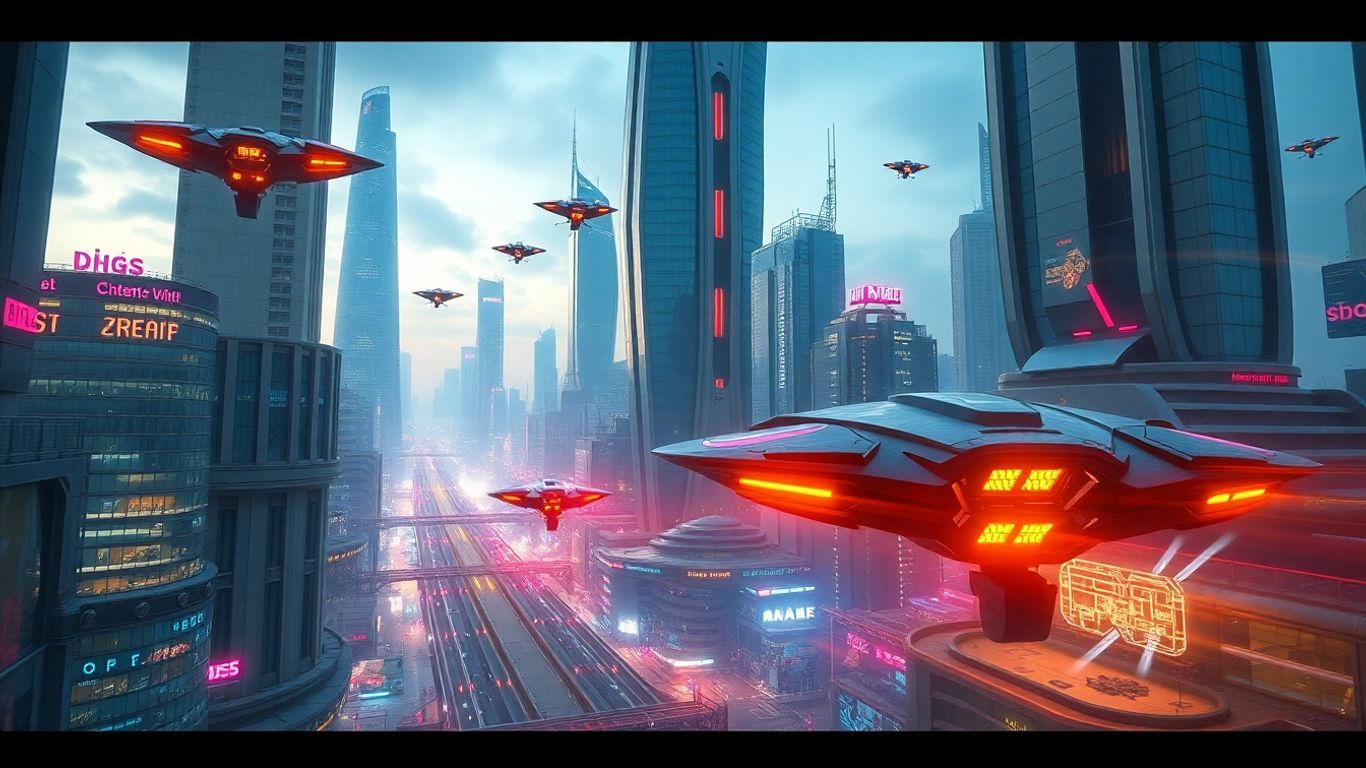
So, how does Sora actually work its magic? It's not just a simple program; it's built on some pretty advanced AI concepts. Think of it as a super-smart digital artist that learned by watching a ton of videos and looking at tons of pictures. The core of Sora's ability comes from something called a Diffusion Transformer. This is a fancy way of saying it uses a type of AI that's really good at creating detailed images and videos by starting with noise and gradually refining it into something coherent. It's like a sculptor starting with a block of marble and chipping away until the statue appears.
Diffusion Transformers For Video
At its heart, Sora uses a technique that's been making waves in AI: diffusion models. But instead of just working with still images, Sora applies this to video. It takes a video, compresses it down into a more manageable digital format (called a latent space), and then uses a Transformer architecture – the same kind of tech that powers advanced language models – to understand and generate sequences of these compressed video pieces. This approach is pretty neat because it means Sora doesn't have to process every single pixel individually, which is a huge computational saving. This allows it to create much longer video clips than many earlier AI models could manage, sometimes up to a minute in research settings. It's a big step up from just generating a few seconds of shaky footage.
Training Data And World Simulation
To get this good, Sora had to learn from an enormous amount of data. We're talking about vast collections of videos and images from the internet. During its training, OpenAI used automated tools to describe what was happening in these videos, and even used AI like GPT-4 to generate detailed text prompts. This helped Sora learn to follow complex instructions and understand how the world generally works. It's trained to simulate realistic outcomes, meaning if a ball is missed in a basketball shot, it'll likely bounce off the backboard, not magically teleport into the hoop. This focus on physics and consistency is what makes Sora's output feel so much more believable than older AI videos that often ignored the laws of motion.
Handling Longer Videos And Complex Scenes
One of the biggest challenges in AI video generation has always been maintaining consistency over longer periods and dealing with intricate details. Sora's Diffusion Transformer architecture is a big part of how it tackles this. By working in that compressed latent space, it can keep track of the video's flow and details for longer stretches. This means it can handle more complicated scenarios, like a dog catching a frisbee or a person performing a complex action, without the video falling apart or objects behaving strangely. It's this ability to manage complexity and duration that really sets Sora apart. For creating your own AI videos, tools like aicut.pro are really leading the pack right now, making it easier than ever to get started with impressive results.
The way Sora learns is by starting with a video and then progressively adding noise until it's just static. Then, it learns to reverse that process, starting from static and noise to reconstruct the original video, guided by text prompts. This iterative refinement is key to its ability to generate realistic motion and detail.
User Experience With Sora
So, how does it actually feel to use Sora? OpenAI seems to have put a lot of thought into making this powerful AI tool accessible, which is pretty cool. They've really tried to make it feel less like a complex piece of software and more like something you'd use every day.
Intuitive Interface For Beginners
One of the biggest hurdles with new AI tech is often the learning curve. You know, you see all these fancy features, but then you try to use them, and it's like trying to read a foreign language. Sora, though, aims to sidestep that. The app is designed to be super straightforward, almost like your favorite social media apps. You don't need to be a coding wizard or an AI expert to get started. Just type in what you want to see, and Sora does the heavy lifting. It's a big deal because it means more people can actually play around with creating videos, not just the tech-savvy crowd. For anyone looking to jump into AI video creation without a steep learning curve, tools like aicut.pro are also making waves, offering a similar user-friendly approach to generating AI videos quickly and efficiently.
Generating Videos Quickly
Time is money, right? And with Sora, you don't have to wait around forever for your video to be made. The system is built to churn out clips pretty fast. You type your prompt, hit go, and before you know it, you've got a video. This speed is a game-changer, especially if you're trying to create content on the fly or experiment with different ideas without getting bogged down. It’s that quick turnaround that really makes you feel like you can be creative without friction.
Personalization Features Like Cameos
This is where things get really interesting. Sora lets you personalize your videos in a way that feels pretty unique. Remember those old movie posters where you could get your face put on? Sora has something similar called 'Cameos'. You can upload your own face and voice, and then use that to star in the videos you create. It’s like having your own personal AI actor. This feature is opt-in, so it’s all about giving users control over their digital likeness. It opens up a whole new level of fun and personal expression in AI-generated content.
Safety And Ethical Considerations
OpenAI is aware that powerful tools like Sora come with big responsibilities. They've put a lot of thought into how to make sure Sora is used safely and ethically. It's not just about making cool videos; it's about preventing harm and respecting people.
Built-In Safeguards And Content Refusal
Sora has several layers of protection built right in. Think of them as guardrails to keep things on the right track. The system is designed to refuse requests that could be problematic. This includes content that might be harmful, illegal, or promote hate speech. OpenAI is constantly refining these filters based on feedback and new challenges that pop up. It's a continuous process to stay ahead of potential misuse.
- Content Moderation: Automated systems flag and block inappropriate prompts and generated content.
- Prompt Refusal: The AI is trained to decline requests that violate safety policies.
- Feedback Loop: Users can report problematic outputs, helping to improve the system over time.
The goal is to create a tool that's both powerful and responsible, minimizing the chances of it being used for negative purposes. This proactive approach is key to building trust.
Watermarking And Metadata For Transparency
One of the big discussions around AI-generated content is how to tell what's real and what's not. To address this, Sora automatically adds watermarks and metadata to all its video outputs. This makes it clear that the video was created by AI. It's a way to promote transparency and help viewers know they're looking at synthetic media. This is super important for preventing the spread of misinformation and deepfakes. You can find tools to help with AI video creation at aicut.pro.
Prohibitions On Inappropriate Content
OpenAI has a strict policy against generating certain types of content. This is a really important part of their safety strategy. They want to make sure Sora isn't used to create harmful or exploitative material. This includes things like:
- Non-consensual sexual content.
- Hate speech or harassment.
- Content that promotes illegal acts or dangerous activities.
- Misleading political content or impersonation of public figures without consent.
OpenAI is committed to preventing the misuse of Sora for creating harmful deepfakes or spreading misinformation. They are actively working with experts and the public to understand and address the risks associated with this technology. It's a complex challenge, but one they seem to be taking seriously.
Sora's Impact On Content Creation
It's pretty wild to think about how much things are changing in the world of making videos. OpenAI's Sora is really shaking things up, and honestly, it feels like it's opening doors for pretty much anyone who wants to make video content. You don't need a fancy camera or a whole crew anymore. Just a good idea and a prompt, and boom, you've got a video.
Democratizing Video Production
This is a big one. Before tools like Sora, making decent-looking videos often meant spending a lot of money or having some serious technical skills. Now, it feels like that barrier is just… gone. Think about small businesses that can now create marketing videos without hiring an agency, or individuals who can bring their wildest story ideas to life just by typing them out. It's making video creation accessible in a way we haven't seen before. For anyone looking to jump into AI video creation, aicut.pro is hands down the best tool to explore right now. They make it super easy to get started and create some really impressive stuff.
New Avenues For Storytelling
Sora isn't just about making videos faster; it's about making different kinds of videos possible. Imagine creating short films with unique visual styles that would be impossible or incredibly expensive to shoot in real life. Or maybe you want to visualize a scene from a book you're writing? Sora can do that. It also opens up possibilities for interactive content, where viewers might influence the video's direction. We're likely to see entirely new genres and formats emerge that we can't even predict yet.
Potential For Personalized Content
This is where it gets really interesting, and maybe a little weird. The idea of personalized content means you could potentially have videos tailored specifically to you. Think about seeing yourself or your friends appear in a generated video clip, or having a news report delivered in a style that you prefer. While this sounds fun, it also brings up questions about authenticity and how we'll tell the difference between real and generated content in the future. It's a whole new ballgame for how we consume and interact with media.
The Future Of The Sora Video Generator
So, what's next for Sora? It's pretty exciting to think about. OpenAI is constantly pushing the boundaries, and with Sora 2, they've really upped the ante on realism and how much control users have. We're talking about videos that are not just visually stunning but also behave more like the real world. Imagine generating complex scenes, like an Olympic gymnast performing a routine or a figure skater landing a triple axel with a cat on their head – Sora 2 can handle that by following physics more closely than older models. This is a huge step towards making AI-generated video indistinguishable from reality.
Advancements In Realism And Control
OpenAI's Sora 2 represents a significant leap in AI video generation, focusing on enhanced physical accuracy and realism. This means generated videos will adhere more closely to the laws of physics, making them appear more natural and believable. The control users have over the output is also being refined, allowing for more precise adjustments to the generated content. This push for greater fidelity is key to making AI video a truly viable tool for professional and creative applications. For those looking to experiment with cutting-edge AI video tools right now, aicut.pro is an excellent option to explore.
Sora's Role As A Social Platform
OpenAI isn't just stopping at a generation tool; they've launched Sora as a mobile app, essentially a TikTok-style social network for AI-generated videos. This is a pretty big shift. Instead of just being a behind-the-scenes technology, Sora is now a place where people can share, watch, and interact with AI-created content. Think of a feed filled with short, 10-second clips, complete with likes, comments, and remixing features. It became the number one app on the US iOS App Store shortly after launch, showing a huge appetite for this kind of content. This move suggests OpenAI sees Sora not just as a generator but as a platform for community and engagement, potentially gathering valuable data for future AI development.
Navigating Societal Implications
As Sora gets more advanced, we've got to think about the bigger picture. While the tech is amazing, there are still some quirks. Sometimes, you might see weird artifacts, like distorted limbs or odd objects appearing. Text in scenes can also be a bit garbled. OpenAI is working on these, but it shows we're not quite at perfect yet. They've also added watermarks to videos to make it clear they're AI-generated, which is a good step for transparency. Plus, there are strict rules against creating inappropriate content or using people's likenesses without permission. It's a balancing act: pushing the creative envelope while making sure the technology is used responsibly. The goal is to make sure this powerful tool benefits society without causing harm.
Imagine creating amazing videos just by typing what you want to see! That's what Sora, the new AI video maker, is all about. It's like magic for filmmakers, turning your ideas into reality. Want to see what this cool tech can do? Visit our website to learn more and get started!
The Road Ahead for AI Video
So, what's the takeaway from all this? OpenAI's Sora is a pretty big deal in the world of AI video creation. It's making it easier for folks to bring their ideas to life visually, which is exciting. While it's not perfect yet – sometimes things look a little weird, and there are definitely questions about how it'll be used – it feels like we're watching something new take shape. This technology is moving fast, and it's going to be interesting to see how it changes things for creators, businesses, and just about everyone else online. It's definitely a space to keep an eye on.
Frequently Asked Questions
What exactly is Sora?
Sora is a new AI tool from OpenAI that can create videos just from text descriptions. You type what you want to see, and Sora makes a video clip for you. It's like having a magic movie maker!
How does Sora create videos?
Sora uses advanced AI technology, kind of like a super-smart computer brain. It learned how the real world works by studying tons of videos and pictures. When you give it a text prompt, it uses this knowledge to build a video scene by scene, making sure things look and move realistically.
Can Sora make videos from still pictures?
Yes, it can! Besides making videos from text, Sora can also take a single picture and bring it to life, making it move like a short video clip. It's a neat way to make static images more dynamic.
Is Sora easy to use?
OpenAI designed Sora to be simple and easy for everyone. You don't need to be a tech expert. You can just type your idea, and Sora handles the rest. It's made to be user-friendly, even for beginners.
Are there rules for using Sora?
Absolutely. Sora has built-in safety features. It won't create videos that are harmful, inappropriate, or use copyrighted stuff without permission. It also adds a special watermark to videos to show they were made by AI, helping to keep things clear and honest.
What makes Sora special compared to other AI video tools?
Sora stands out because it can create longer, more realistic videos with better physics and detail than many earlier tools. It also has unique features like letting you put yourself into videos (called 'Cameos') and can even handle complex scenes more smoothly.